Introduction to Personal Branding
In the rapidly evolving digital landscape of 2026, personal branding has emerged as a pivotal element for individuals seeking to establish their professional identities and achieve their career aspirations. Personal branding, at its core, refers to the deliberate effort to create and manage an individual’s online presence and reputation. This concept goes beyond mere self-promotion; it encompasses the projection of one’s skills, values, and unique qualities that differentiate them in a crowded marketplace.
The importance of personal branding cannot be overstated, especially in a world where digital interactions often precede face-to-face connections. As employers increasingly turn to online profiles to assess potential candidates, having a well-crafted personal brand can significantly enhance one’s visibility and attractiveness in the job market. By presenting a clear and consistent image across various platforms—such as social media, professional networking sites, and personal websites—individuals can effectively communicate their expertise and establish credibility.
Moreover, a strong personal brand fosters meaningful connections and networking opportunities. In 2026, the ability to build a professional network is more critical than ever, as collaboration and partnerships become essential in a globalized economy. An individual’s personal brand acts as a magnet, attracting like-minded professionals, mentors, and potential collaborators who resonate with their values and aspirations.
Finally, investing in personal branding contributes significantly to personal growth. As individuals actively curate their online presence, they become more self-aware and intentional about their goals and values. This process not only enhances professional development but also empowers individuals to share their stories authentically, leading to a more fulfilling career journey.
Identifying Your Unique Value Proposition
Understanding what sets you apart in a competitive landscape is crucial for building a successful personal brand online. Your unique value proposition (UVP) acts as a guiding principle, influencing how you communicate with your target audience and differentiating you from others in your field. To define your UVP, follow this structured approach.
First, engage in self-reflection to identify your strengths. Consider what you excel at and the feedback you receive from colleagues and peers. Acknowledge skills that come naturally to you but may not be obvious to others. This step often requires an honest assessment of your capabilities and achievements.
Next, articulate your passions. Delve into the activities that energize and motivate you. Passion fuels creativity and drive, making it an essential component of your brand. Ask yourself which aspects of your work bring you joy or intrigue, as these hobbies or interests can enhance your UVP significantly.
Additionally, analyze your experiences. Experiences shape your perspective and often provide unique insights that you can share. Document significant milestones in your career and personal life that inform your values and brand message. Look for recurring themes that reflect your character and contributions, as they can help illuminate what sets you apart.
Once you have identified your strengths, passions, and experiences, synthesize this information into a coherent UVP statement. A well-articulated UVP should clearly express who you are, what you do, and the distinctive benefits you offer your audience. It should resonate with your target demographic, compelling them to engage with you.
In the ever-evolving online landscape of 2026, recognizing and promoting your unique value proposition will pave the way for establishing a credible personal brand that stands out from the crowd.
Creating a Cohesive Online Presence
In the digital age, establishing a personal brand means curating a unified visual and written narrative across various online platforms. A cohesive online presence not only enhances recognition but also builds trust among your target audience. To achieve this, it is essential to maintain consistency in your profiles, images, and the messaging of your content.
Begin by selecting appropriate profiles across social media and professional sites that align with your brand vision. Each platform serves unique purposes, so tailor your approach according to its audience and functionality. For instance, LinkedIn is ideal for showcasing your professional achievements and network, while Instagram may be more suited for visual storytelling. Use these platforms to project a unified image that encapsulates your brand identity.
Visual consistency plays a significant role in how your audience perceives you. Choose a color palette and typography that reflect your brand personality and use them consistently across profiles. Additionally, select profile pictures and cover images that represent you authentically, as these visual elements are often the first touchpoints for users encountering your brand. Ensure that the imagery evokes emotions and associations that resonate with your intended audience.
Beyond visuals, the content you share should align with your brand message. Regularly produce content that reflects your values, expertise, and interests. This is where written narratives come into play. Whether you are writing blog posts, social media updates, or articles, maintain a consistent tone and style. This will help establish your voice and engage your audience more effectively, encouraging them to connect with you on a deeper level.
In conclusion, a cohesive online presence is paramount when building your personal brand. By thoughtfully selecting your platforms, maintaining visual consistency, and aligning your content with your narrative, you can effectively communicate your brand identity and foster connections with your audience in an increasingly crowded digital marketplace.
Choosing the Right Social Media Platforms
In today’s digital landscape, the effectiveness of a personal brand heavily relies on the choice of social media platforms. Various platforms cater to distinct demographics and types of content, making it crucial to align your social media presence with your target audience and industry. Understanding the unique attributes of each platform can greatly enhance your personal branding efforts.
For instance, platforms like Instagram and TikTok are ideal for visual-oriented brands, especially in industries such as fashion, art, and lifestyle. These platforms target younger audiences and encourage creative expression through images and short videos. Engaging posts that utilize high-quality visuals can help you capture audience attention and increase follower interaction.
On the other hand, LinkedIn serves as the go-to platform for professionals aiming to establish their authority in specific fields. It is particularly effective for B2B branding and networking within industry circles. By sharing insightful articles, participating in relevant discussions, and optimizing your profile, you can effectively demonstrate your expertise and thought leadership.
Twitter, with its focus on concise communication, may benefit those looking to share quick updates and insights while allowing for real-time engagement with followers. Its fast-paced nature is suitable for brands that wish to remain relevant and connected in rapidly evolving conversations.
Additionally, the choice of platform should also reflect your comfort level with the tools and community dynamics present in each space. Conducting research on audience demographics, engagement metrics, and popular content formats can help determine where your brand is likely to resonate the most. By strategically selecting the right platforms that align with your personal branding goals, you can create a coherent and impactful online presence that speaks directly to your desired audience.
Content Creation Strategies for Personal Branding
Developing a strong personal brand online in 2026 necessitates strategic content creation that resonates with your audience. Ideally, your content should exemplify your brand’s voice and core message, thereby fostering a connection with potential followers and clients. Diverse media types can significantly enhance this connection, including blog posts, videos, podcasts, and infographics, each serving as a storytelling tool to engage your audience.
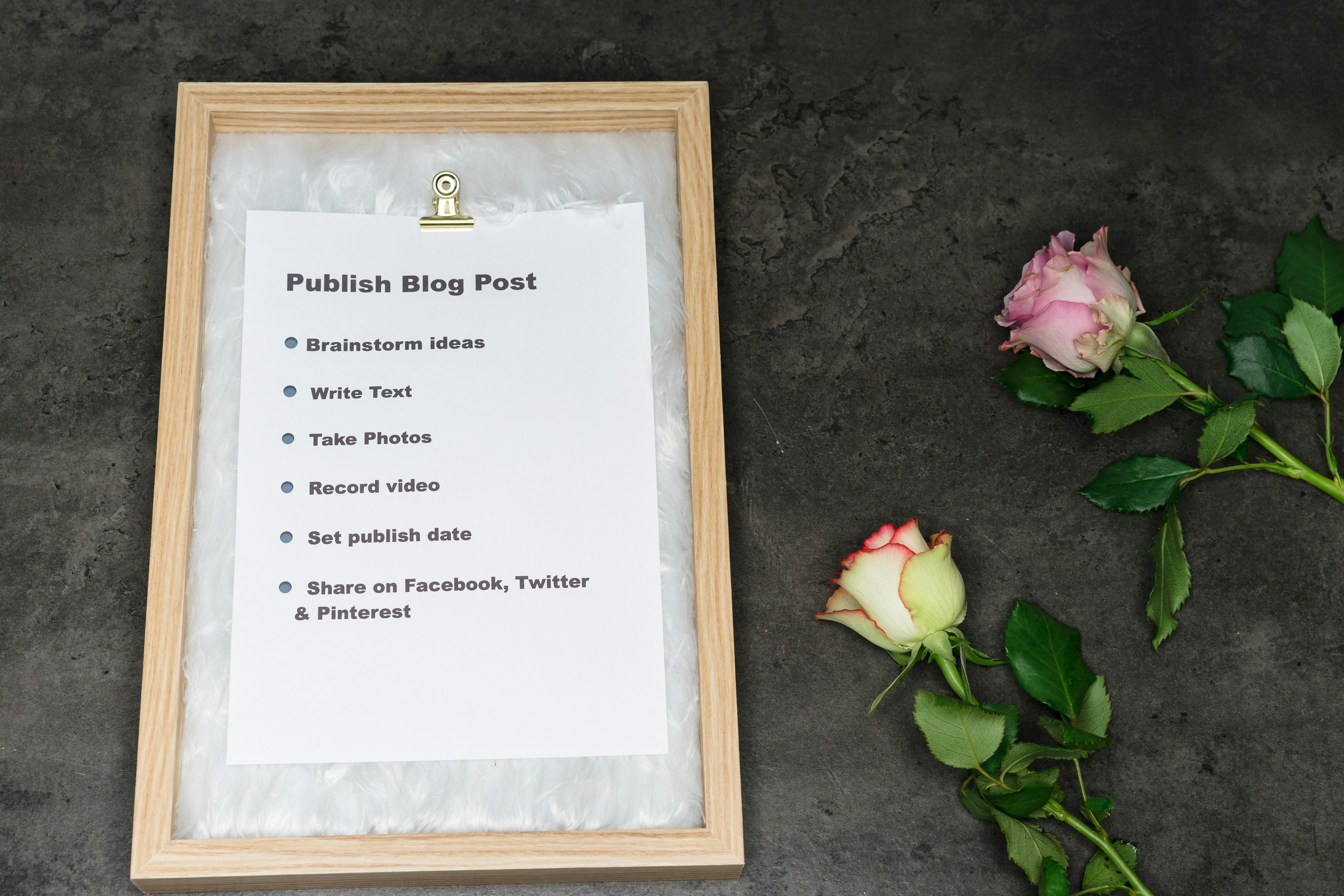
Blog posts remain a fundamental component of content marketing for personal branding. They allow for in-depth exploration of topics related to your niche, showcasing your expertise and insights. Regularly publishing high-quality articles not only improves your website’s SEO but also positions you as a thought leader in your field. Incorporating keywords naturally throughout your posts helps to optimize them for search engines while also providing valuable content to your audience.
On the other hand, videos can capture attention more quickly and convey information in a dynamic format. With platforms like YouTube and TikTok gaining significant traction, creating short, engaging video content related to your brand can effectively reach a broader audience. Consider using tutorials, behind-the-scenes looks, or personal stories that illustrate your brand journey, which can greatly enhance viewer engagement.
Podcasts are another effective medium, particularly for those who prefer auditory learning. By inviting guests from your industry or discussing relevant topics, you can build a loyal audience that sees you as a credible voice. This format encourages a more personal connection, as listeners can engage with you through storytelling and discussions.
Lastly, infographics are a visually appealing way to convey complex information succinctly. They help break down data or processes into easy-to-understand visuals, making your content shareable across social media platforms. By utilizing these diverse content creation strategies, you can effectively reflect your brand’s values and engage your audience in meaningful ways.
Networking and Building Relationships Online
In the digital age, effective networking and relationship building are paramount to developing a personal brand. Engaging with peers, industry leaders, and potential collaborators can create opportunities, establish credibility, and enhance visibility across platforms. As we approach 2026, the necessity of robust virtual networks cannot be overstated; they serve as vital conduits for knowledge sharing and professional growth.
To foster meaningful connections, one should actively participate in relevant online communities. This could involve joining specialized groups on platforms like LinkedIn or participating in forums related to your field of expertise. By sharing insights, asking questions, and providing support, you can position yourself as a knowledgeable and approachable figure within your industry. Such engagements often lead to deeper relationships that may translate into collaborative ventures and referral opportunities.
Utilizing social media effectively can also enhance your networking efforts. Regularly sharing valuable content, whether industry trends or personal achievements, encourages peers and leaders to engage with you. Tags and mentions can expand your reach, inviting discussions and feedback on your posts. Strive to maintain a consistent and authentic online presence; this will help in cultivating trust and familiarity.
Moreover, consider reaching out to individuals for virtual coffee chats or informational interviews. This proactive approach not only demonstrates your eagerness to learn but also helps you gain valuable insights from others’ experiences. Always remember to follow up with a note of appreciation, reinforcing your commitment to building long-term relationships.
Ultimately, networking and building relationships online are fundamental components of a successful personal brand. By engaging sincerely and leveraging digital platforms, you can expand your connections and create a supportive community that amplifies your presence in the digital landscape.
Common Mistakes to Avoid in Personal Branding
Building a personal brand online can be a rewarding yet challenging endeavor, particularly in a fast-evolving digital landscape like that of 2026. However, many individuals may unintentionally fall into pitfalls that hinder their branding efforts. One of the most prevalent mistakes is inconsistency in messaging and visuals. A personal brand should reflect a coherent image, where the logo, color scheme, and voice remain uniform across various platforms. Discrepancies can confuse your audience and diminish trust.
Another common error is neglecting engagement with the audience. Personal branding is not a one-way street; it requires interaction and feedback. Ignoring comments or failing to respond to inquiries can alienate followers, leading to decreased interest. Marketers emphasize that active engagement boosts a brand’s visibility and fosters a genuine connection with the audience.
Individuals often overlook the importance of defining a clear niche when developing their personal brand. Without a specific focus, it can be challenging to communicate value to the target audience. Branding without a niche can lead to scattered efforts and dilute your message, making it hard for people to identify you as an authority in a certain area.
This brings us to the mistake of overextending across too many platforms without building a strong presence on one or two. Spreading yourself too thin can result in subpar content quality and reduced frequency of posts. A well-structured strategy focusing on select platforms can yield better results, allowing time to create valuable content that resonates with your audience.
A final pitfall includes failing to adapt to evolving trends and audience preferences. The digital world is continually changing, and personal brands must be agile. Regularly re-evaluating your brand strategy allows you to make necessary adjustments to maintain relevance and meet audience demands.
FAQs About Personal Branding
Personal branding is an essential aspect of modern professional life, often leading to numerous questions for individuals embarking on this journey. One common inquiry pertains to the time investment required for effective personal branding. Establishing a strong personal brand does not occur overnight; it typically involves a consistent commitment of time and effort. Engaging in activities such as creating quality content, interacting with audiences on social media, and maintaining a professional online presence demands a strategic approach. Depending on individual goals and existing commitments, many suggest dedicating several hours each week to cultivate and enhance one’s personal brand.
Another frequently asked question relates to handling negativity, which is an inevitable aspect of any public persona. The online environment may expose individuals to criticism or negative feedback. It is crucial to approach such situations with a level-headed response. One effective strategy is to focus on constructive criticism, using it to strengthen your brand. Additionally, maintaining a positive online demeanor can help fortify your reputation. Recognizing that not all feedback will resonate and learning to separate personal feelings from professional critiques can be pivotal in managing one’s emotional response.
Measuring success in personal branding is yet another area with varying opinions. Metrics can range significantly based on individual objectives. For some, success may be gauged through increases in social media followers or engagement rates, while others might focus on enhanced networking opportunities or potential collaborations. Utilizing analytic tools can offer insight into how your audience is interacting with your content, allowing for calibrated adjustments. Ultimately, defining what success looks like for you personally is key, as this provides a comprehensive way to track progress and make informed decisions about your branding strategies.
Conclusion and Next Steps
Building a personal brand online in 2026 involves a strategic approach that leverages the latest tools and platforms available. Throughout this article, we have discussed the importance of identifying your niche, understanding your target audience, and crafting a unique value proposition. These elements serve as the foundation of an engaging personal brand that resonates with your intended audience.
Additionally, we highlighted the significance of maintaining a strong online presence through consistent content creation across various platforms. Whether it’s through social media, a personal blog, or networking sites, your digital identity is crucial in shaping perceptions of your brand. Engaging with your audience not only establishes credibility but also fosters relationships that can lead to future opportunities.
As you embark on this journey of personal branding, it’s equally important to monitor your progress and adapt your strategies as the online landscape evolves. Utilize analytics tools to gain insights into what works and what doesn’t, allowing you to refine your approach for better engagement and reach. Keeping up with trends and emerging technologies will further enhance your brand’s relevance.
Ultimately, investing time and effort into building a personal brand offers long-term benefits. A well-established brand not only differentiates you from competitors but also opens doors to collaborations, job opportunities, and professional growth. Take actionable steps today, starting with small changes that align with your branding goals. Remember, consistency and authenticity are key components to nurturing a personal brand that stands the test of time.